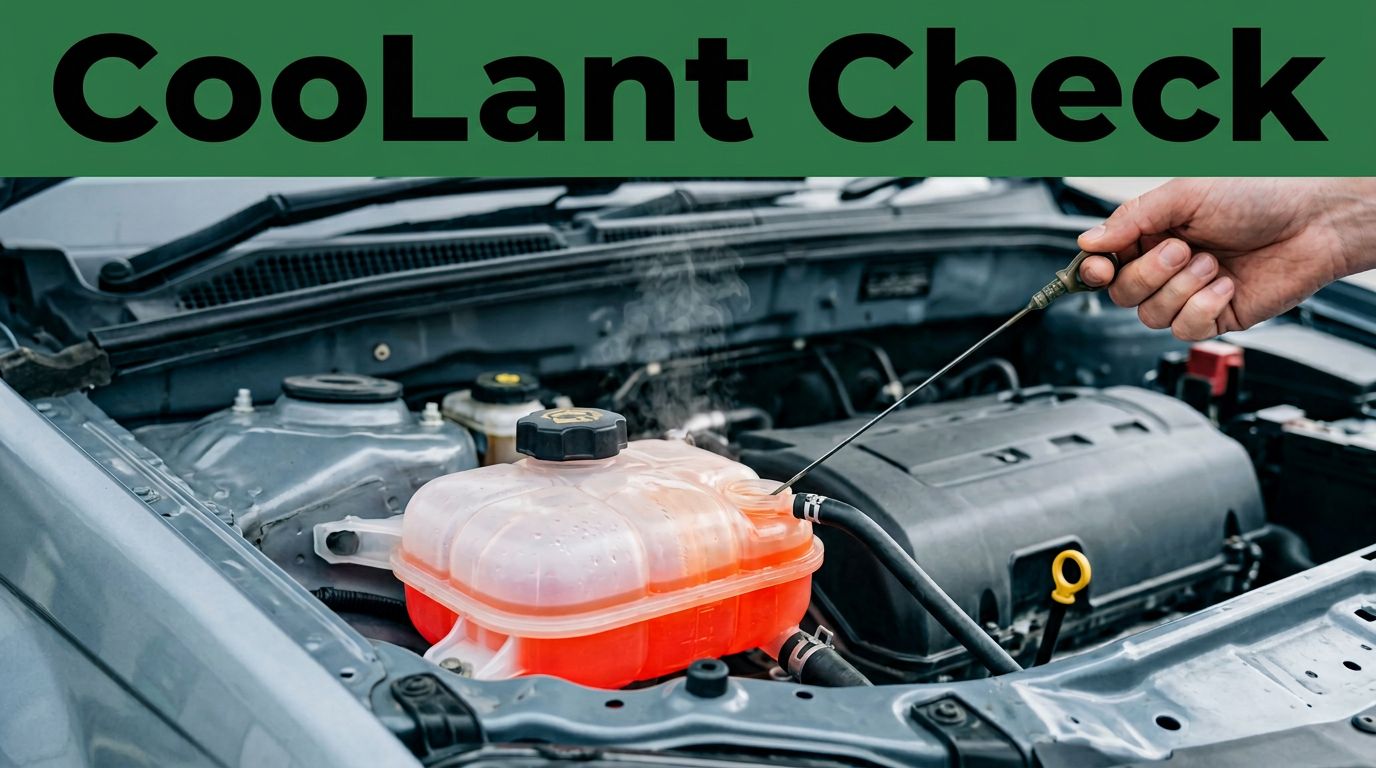
Picture this. You drive down the highway on a hot summer day. Suddenly, your temperature gauge spikes. Steam billows from under the hood. A friend ignored that low coolant warning last year. His engine seized up. Repairs cost over $3,000.
Coolant prevents those nightmares. It’s a special fluid mix, usually half water and half antifreeze. This blend keeps your engine from overheating or freezing. Without it, parts warp and fail fast.
You need this knowledge now. Especially with 2026 vehicles running hotter engines and EVs like Tesla relying on similar fluids for batteries. This post shows you what coolant does, spots trouble early, checks levels safely at home, and shares maintenance tips. You’ll save money and avoid breakdowns.
How Coolant Keeps Your Engine Running Smoothly
Coolant acts like your engine’s bodyguard. Most mixes blend water with antifreeze, such as ethylene glycol or safer propylene glycol. A standard 50/50 ratio works best. It handles heat up to 223 degrees Fahrenheit under pressure. In cold weather, it stops freezing down to minus 34 degrees.
Skip coolant, and trouble hits quick. Engines overheat in minutes. Metal warps. Gaskets blow. Repairs skyrocket.
For 2026 cars, options fit modern needs. Conventional green inorganic additive technology, or IAT, suits older styles but needs changes every 30,000 miles. Extended-life orange or red organic acid technology, called OAT, lasts up to 600,000 miles. Hybrid organic acid technology, or HOAT, comes in gold or pink for balanced protection.
Colors guide you, but check your manual. They aren’t foolproof. Waterless coolants exist, yet stay rare for everyday cars. Match the type exactly. Mismatches cause gelling or rust. For details on coolant types explained in 2026, see this guide.
The Key Jobs Coolant Does Every Day
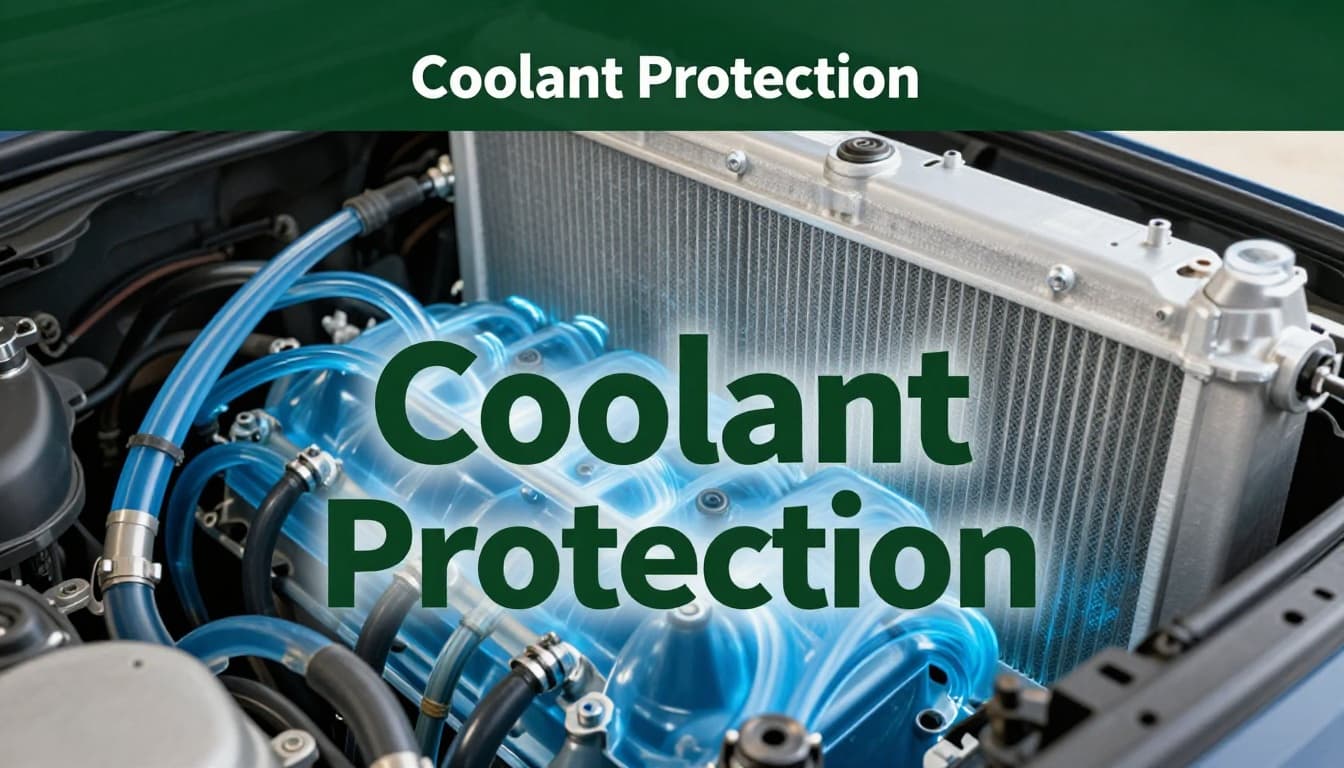
Coolant pulls heat from the engine block. It rushes through hoses to the radiator. There, fans blow it cool. Think of it as blood in your body. It carries away excess warmth before damage starts.
It fights freezing too. Water alone expands in ice. Coolant lowers that point. Your engine survives blizzards unscathed.
Additives block rust. They coat metal parts. Corrosion eats aluminum heads over time. Coolant lubricates the water pump. Seals last longer as a result.
In traffic, it shines. Idling builds heat fast. Coolant cycles nonstop. Your drive stays smooth.
Picking the Right Coolant Type for Your Ride
Choose based on your car. IAT green works for basics. Change often, though. Pros include low cost. Cons mean frequent shop visits.
OAT orange or red lasts longer. Low maintenance appeals to busy drivers. It protects modern alloys well. Yet, it costs more upfront.
HOAT gold or pink blends both. Ford likes orange H-OAT. GM pushes DEX-COOL orange. Europeans favor blue or yellow. Universal picks like Prestone Platinum fit most.
Never mix. Gels form and clog. Always read your manual for 2026 models. This coolant guide compares colors and types clearly.
Spot These 8 Signs Your Coolant Needs Attention Now
Low coolant sneaks up. Catch it early. Save your engine thousands.
First, watch the temp gauge. It climbs to hot. Pull over fast.
Second, a warning light flashes. Dashboard icons scream trouble.
Third, check the reservoir. Level drops below low mark when cold.
Fourth, puddles form under the car. Colored spots mean leaks.
Fifth, smell sweetness. Coolant evaporates near the engine.
Sixth, heater blows weak. Air stays cool inside.
Seventh, steam rises from hood. Overheating boils the mix.
Eighth, odd HVAC smells hit. Burnt or musty odors signal issues.
Each points to risks. Low levels warp heads. Gaskets fail. For more on symptoms of low coolant, review these signs.
Act now. Park safely. Let the engine cool 30 to 60 minutes. Peek at the reservoir. Don’t drive far. See a mechanic. Early fixes beat tows.
Safely Check Your Coolant Level in 7 Easy Steps
Safety comes first. Hot coolant burns skin bad. Wait always.
Park on flat ground. Turn off the engine. Pop the hood after it cools.
Find the reservoir. It’s clear plastic near the radiator. Look for MIN and MAX lines.
Check the level. Eye it cold. No need to open yet.
If low, grab the right coolant. Add slowly. Use a funnel.
Wipe spills quick. It’s toxic to pets.
Start the engine. Recheck after warm-up. Secure the cap tight.
For EVs like 2026 Tesla, tanks seal. Manual guides you. No radiator cap often.
This routine builds confidence. Do it monthly.
Tools and Safety Prep Before You Start
Gather basics. Owner’s manual shows type and spot. Gloves shield hands. Rag wipes mess. Funnel prevents spills. Distilled water mixes if needed.
Wear gloves always. Never twist a hot cap. Pressure blasts hot fluid. Cover with rag first. Relieve slow.
Prep flat. Uneven tilts fool readings.
Mistakes That Can Damage Your Engine or Hurt You
Top error: open hot system. Burns scar. Engine sprays too.
Mix types next. Clogs form. Rust spreads.
Ignore leaks. Hoses crack over time.
Overfill floods. Air pockets hurt flow.
Tap water minerals build scale. Use distilled only. Step-by-step on safe checks avoids pitfalls.
Smart Ways to Maintain Coolant and Avoid Costly Fixes
Check monthly. Eye color and clarity. Bright means good. Rusty or cloudy spells flush time.
Test strength. Refractometers read 50/50 mix. Aim pH 8.6 to 8.9.
Top off same type. Water works short-term in heat.
Flush every two years or 30,000 to 60,000 miles. Rinse full. Refill fresh.
Inspect hoses. Squeeze for cracks. Caps seal tight.
2026 cars add app alerts. Sensors ping low levels.
These habits extend life. Fewer visits. Engines last.
Tie to safe checks. Routine prevents woes.
Conclusion
Coolant basics matter. It absorbs heat, fights freeze, blocks rust. Spot rising gauges, leaks, weak heat fast. Check cold on flat ground in seven steps. Maintain with monthly peeks and timed flushes.
Grab your manual today. Run those steps now. See a pro if unsure.
Simple habits bring peace. No more roadside steam. Your engine thanks you. Make coolant checks routine this month. Drive worry-free.